
Stay Up-to-Date with the Latest Marketing Insights
With data from top research sources and user-friendly search and filtering options, our library of marketing charts is the ultimate tool for staying ahead of the curve in the fast-paced world of marketing. Subscribe now and stay ahead of the competition!

More Than 1 in 4 Teens Say They Spend Too Much Time on Social Media
Almost 4 in 10 feel they spend too much time on their smartphones.

Digital Video Time Continues Widening Gap with Traditional TV
US adults are set to spend less than 3 hours per day with traditional TV this year.

3 Points About US Digital Ad Spending in 2023
Digital video has climbed to almost one-quarter of digital ad spending.

The Netflix / YouTube Race for Teen Viewers’ Attention Continues
Netflix retakes the lead after a short stint at the top for YouTube.

Catching up with Pinterest Users
Pinterest users are avid social media users and are increasingly consuming user-generated content.

The Out-of-Home Advertising Market in the US Continues to Grow
Growth rates have fallen back to earth after a heady couple of years, but the market still expanded last year.

These American Counties Are Showing the Fastest Growth
Eight of the 10 fastest-growing counties between 2022 and 2023 (numerically) were in Texas.


Focus on Influencer Campaign ROI to Grow This Year
Some will prioritize social commerce and improved processes to shorten the path between content and purchase.

Instagram Makes Gains Among Teens’ Favorite Social Media Platforms, Overtaking Snapchat
Instagram and Snapchat have divergent trends that recall… the Fall of 2015?

As Podcast Listening Grows, More Women Tune In
Some 45% of women ages 12 and older listened to podcasts in the past month, just shy of the comparable share of men (48%).
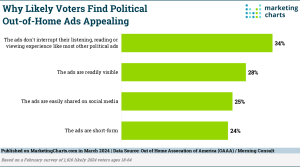
Likely Voters Report Influence of Out-of-Home Ads on Decisions
OOH political ads are appealing because they’re not as interruptive as other formats.

How Did Video Ad Completion Rates Fare Last Year?
Completion rates were higher on desktops than on mobiles, but click-through rates (CTRs) were generally higher on mobiles than desktops.

Videogame Advertising Touted for Its Effectiveness
Gaming is ranked second only to social media among digital media types for driving advocacy.

Social Media’s Reach Among the US Population Seems to Have Plateaued
Some 82% of Americans ages 12 and up report using social media, the 4th consecutive year in which that’s been the case.

Marketers Say AI’s ROI Isn’t Just About Financial Gain
AI is expected to pay off in several ways, including by efficiency gains and effective data analysis.

Where Does CX Fit on CEOs’ Agenda?
CEOs are more likely to prioritize meeting changing customer expectations than improving their CX.

Americans’ Financial Situation Showing Small Signs of Improvement
Fewer appear to be putting off big-ticket and needed purchases.
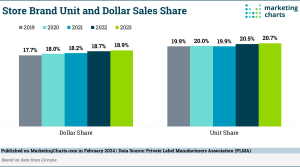
Store Brand Sales Grew Again Last Year, as Did Dollar Share
Store brands rose to a new dollar share high of 18.9%.

TikTok Shop Makes Gains in Popularity
TikTok Shop looks like it could be a fruitful channel for smaller companies.

Consumers Are Less Interested in DE&I and CSR Messaging in Ads
By contrast, they’re more interested in ads that provide product information and discounts.

Netflix is Still Viewers’ Favorite Streaming Platform
Prime Video and Hulu seem to be on the ascent.
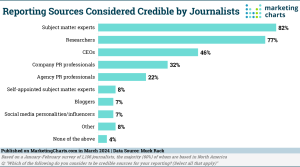
How Do Journalists Feel About PR Pros?
Only about one-third consider company PR pros to be credible sources for their reporting.

How is Signal Loss Impacting Ad Spending Plans?
More than 3 in 4 ad buyers are adjusting their programmatic vs. direct strategies.

Brands Aren’t Just Targeting Young People with Influencers
Youth are still the predominant target for influencers, but as the industry matures, the target audience may be shifting.

Inaccurate Information Roils B2B E-Commerce Sites
More than 9 in 10 B2B buyers encounter at least one reason that prevents them from placing orders online.